
Your Home's First Line of Defense: Understanding the Texas Windstorm Code for Your Houston Roof
Living in the Bayou City means embracing the vibrant culture, the incredible food, and the warm community. It also means respecting the weather. During hurricane season, we all know that a strong, reliable roof isn't a luxury—it's an absolute necessity. But what makes a roof truly capable of standing up to high winds and driving rain? It's more than just the shingles you can see; it's a complete system built to a specific, rigorous standard: the Texas Windstorm Code.
For many Houston homeowners, this code can seem complex and technical. But understanding its basics is one of the most powerful things you can do to protect your home and family. It’s the official blueprint for a weather-tough roof, and at Shultz Roofing & Construction, it’s the standard we meet and exceed on every project. This guide will demystify the code and show you why compliance is critical for your peace of mind.
What Exactly is the Texas Windstorm Code?
Think of the Texas Windstorm Code as a set of construction requirements established by the Texas Department of Insurance (TDI). Its primary purpose is to ensure that structures built in designated coastal regions are more resistant to damage from high winds. By enforcing standards for materials and installation methods, the code helps save lives, minimize property damage, and ensure homeowners can secure insurance coverage.
While the most stringent requirements apply to counties directly on the coast, the principles of the windstorm code are best practices for any home in the greater Houston area. After all, hurricane-force winds don't stop at the county line. A roof built to this higher standard offers superior protection, whether you're facing a tropical storm, a severe thunderstorm, or the remnants of a hurricane.
The Anatomy of a Windstorm-Compliant Roof
A wind-resistant roof is a system where every component works together. Cutting corners on even one element can compromise the entire structure. At Shultz Roofing & Construction, our detailed inspections and installations focus on these critical code-mandated areas:
- Roof Deck Attachment: The foundation of your roof is the wood sheathing (the deck) that covers the trusses. The code specifies that this deck must be securely fastened. We verify that the attachment is sound before any new materials are installed, ensuring the entire system has a solid base.
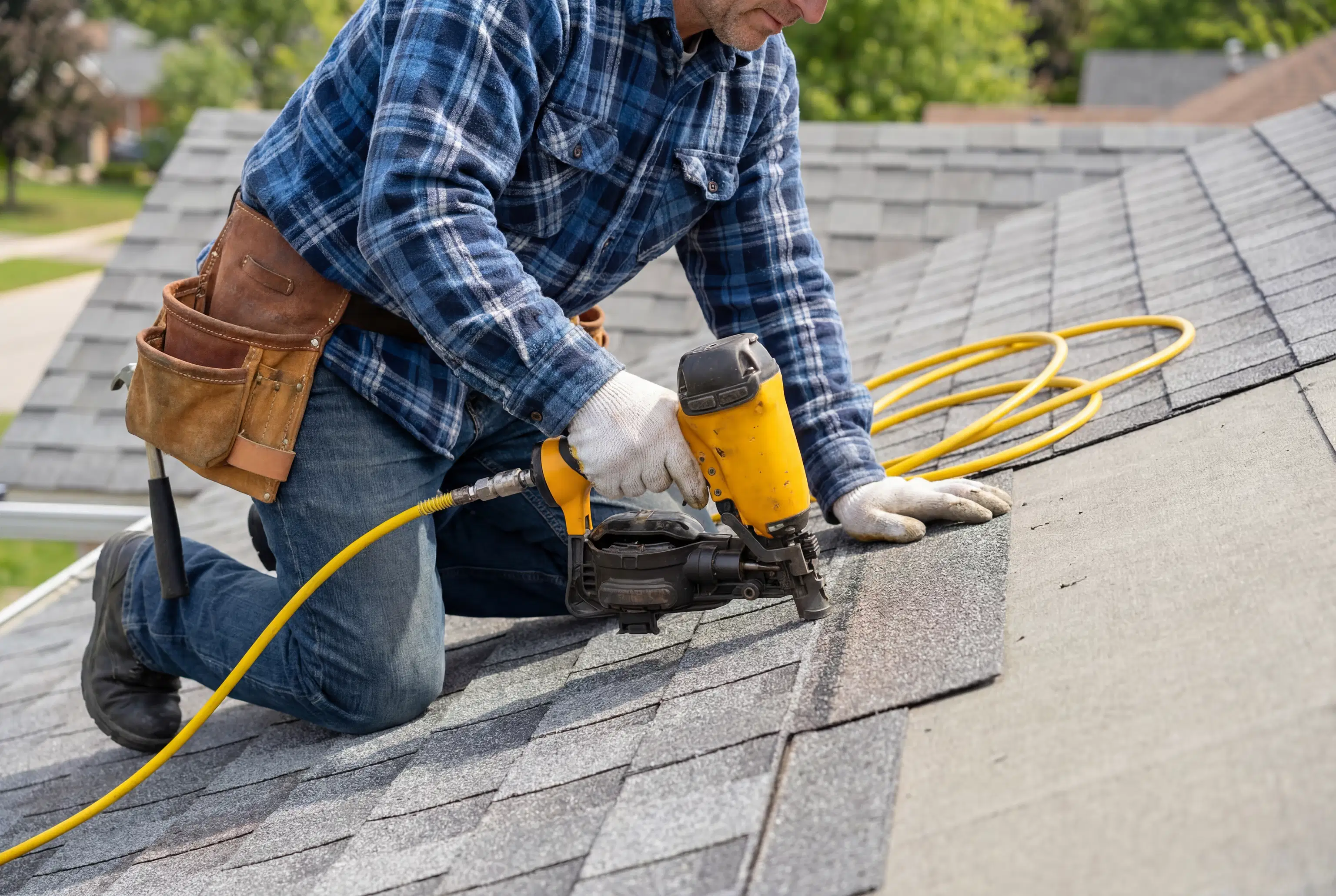
- Fastener Type and Spacing: This is one of the most crucial details. The code dictates the specific type of nails to be used and their precise placement—the “nailing pattern.” In areas of the roof that experience the most wind uplift, like the edges and ridges, the code requires an even more dense nailing pattern for maximum hold. This is a detail that unqualified “storm chasers” often get wrong.
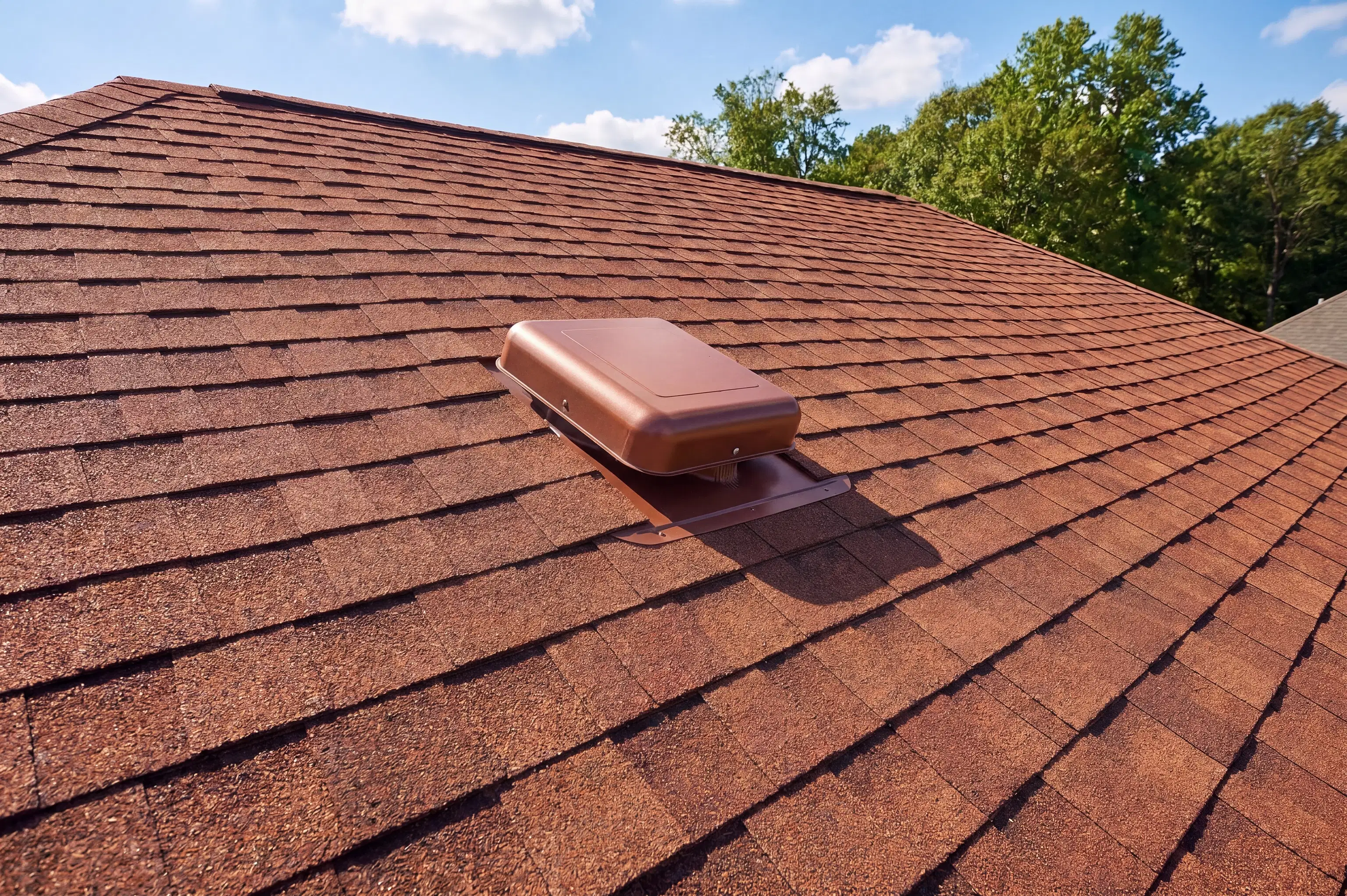
- Underlayment and Flashing: Before shingles go on, a high-quality synthetic underlayment is installed. This acts as a critical secondary water barrier if wind were to lift a shingle. The code also has strict requirements for flashing—the metal pieces that protect vulnerable areas like chimneys, valleys, and vents from water intrusion.
- Material Integrity: The code ensures that the materials themselves are rated for high-wind performance. A properly installed roof using premium, impact-resistant shingles not only meets code but provides an even higher level of protection against both wind and the common Houston threat of a hail storm.
How Code Compliance Impacts Your Insurance and Peace of Mind
Adhering to the Texas Windstorm Code isn't just about building a stronger roof; it's a critical part of protecting your financial investment. Here’s how:
- Insurance Claims: After a major storm, insurance adjusters will look for evidence of proper, code-compliant installation. A non-compliant roof can be a reason for a denied insurance claim, leaving you with the full bill for repairs.
- Potential Insurance Discounts: A certified, code-compliant roof—especially one with upgraded Class 4 impact-resistant shingles—can sometimes qualify you for significant discounts on your homeowner's insurance premiums. We provide all the necessary documentation and TDI forms to help you secure these credits.
- Enhanced Home Value: A documented, professionally installed roof that meets windstorm standards is a powerful selling point. It gives potential buyers confidence that the home is well-protected and has been cared for by responsible owners.
Choosing a local, knowledgeable contractor who understands these regulations is your best defense against corner-cutting and shoddy workmanship. We live here, we work here, and our reputation is built on the long-term performance of the roofs we install.
Trust Your Roof to a Local Expert
The Texas Windstorm Code is a complex set of regulations that demands expertise and precision. It’s not something a handyman or an out-of-state contractor can master overnight. Our team at Shultz Roofing & Construction is deeply familiar with these requirements. We use a systems-level approach, from drone-assisted inspections to meticulous documentation, to ensure every layer of your roof is built for maximum resilience.
Your roof is the most important shield your home has against severe weather. Ensuring it meets or exceeds the highest safety standards is an investment in your family's security. If you have questions about your current roof's condition or are considering a full roof replacement, we're here to provide the answers and the quality craftsmanship you deserve.
Don't wait for the next storm to test your roof's strength. Contact Shultz Roofing & Construction today for a comprehensive inspection and a free estimate on our expert roofing solutions and storm restoration services in Houston.