
Roof Tear-Off vs. Shingle Overlays: Making the Right Choice for Your Home
Replacing a roof is one of the most significant investments you will make in your home. When the time comes to evaluate your options, one of the most common questions homeowners ask is whether it is safe or legal to install a new roof over an existing layer of shingles. In the roofing industry, this is known as a shingle overlay, and it is often weighed against a complete roof tear-off.
Here in Space City, where our homes endure intense summer heat, sudden torrential downpours, and the constant threat of hurricane season, making the right choice for your roof is critical for the long-term safety and value of your property. Navigating the pros and cons of these two methods can feel overwhelming, especially when trying to balance immediate costs with long-term durability.
At Shultz Roofing & Construction, we believe in providing honest, transparent guidance so y'all can make informed decisions. Let's break down the differences between a roof overlay vs complete tear off, what the building codes say, and how to determine which path is best for your home.
Understanding the Shingle Overlay
A shingle overlay involves installing a new layer of asphalt shingles directly on top of your existing roof. Because it skips the labor-intensive process of removing and disposing of the old materials, an overlay is generally faster and comes with a lower upfront price tag. For homeowners on a tight budget who need a quick fix, this can seem like an appealing option.
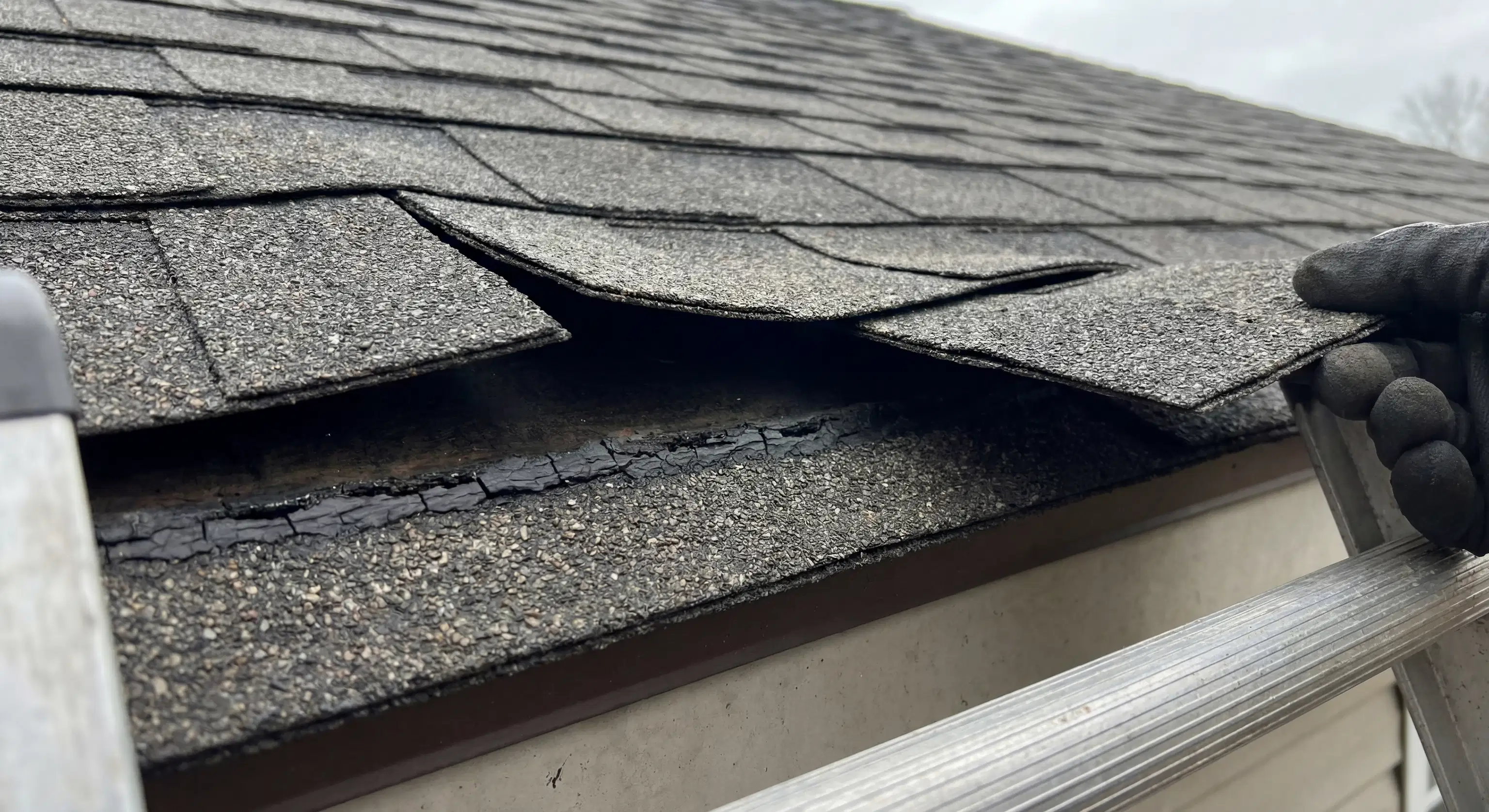
However, when looking at installing shingles over existing roof pros cons, the drawbacks often outweigh the initial savings. One of the most significant risks is hidden decking rot under shingle overlay. If your current roof has underlying structural issues, water damage, or poor ventilation, simply covering it up with new shingles won't solve the problem. In fact, it traps the moisture, accelerating the decay of the wooden decking and potentially leading to a much more expensive emergency roof repair down the line.
Furthermore, there are strict building code limits on roofing layers. In most municipalities, including the Greater Houston area, you are legally restricted to a maximum of two roofing layers. If your home already has an overlay, a complete tear-off is mandatory for your next replacement. Adding extra layers also adds a tremendous amount of weight to your home's structural framing, which can compromise its integrity.
The Case for a Complete Roof Tear-Off
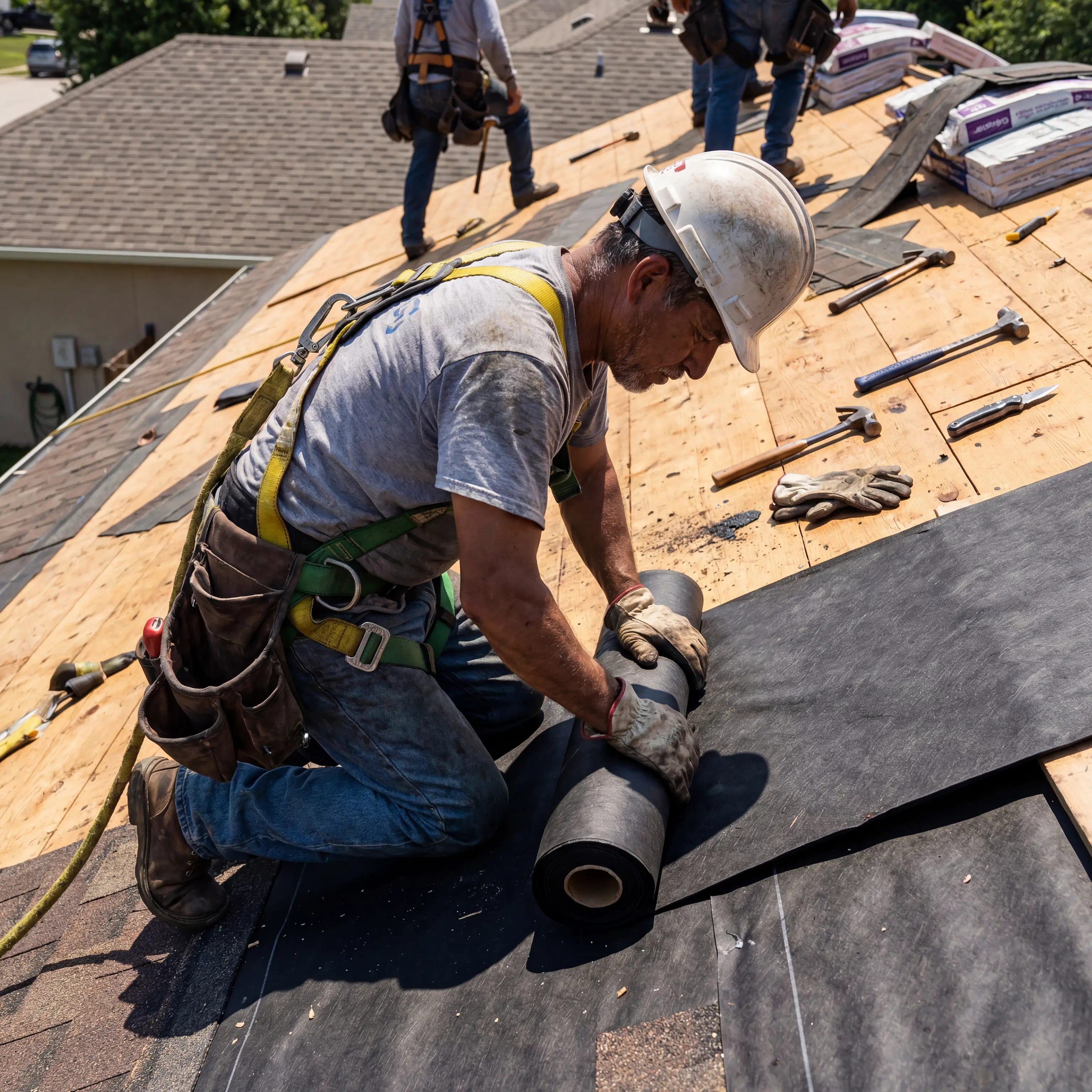
A complete tear-off is exactly what it sounds like: removing all the old roofing materials down to the bare wooden decking before installing the new system. While this method requires more labor and a higher initial investment, it is the standard for high-quality roofing services.
By stripping the roof down to the deck, a contractor can perform a thorough inspection of the wood structure, identifying and replacing any rotted or compromised boards. This process is the only way to ensure that the foundation of your new roof is completely solid. It also allows the installation team to apply new underlayment, ice and water shields, and proper flashing directly to the deck, creating a much stronger, more resilient barrier against the elements.
At Shultz Roofing & Construction, our roof replacement process always begins with a comprehensive, drone-assisted inspection. This advanced technology helps us identify global degradation, widespread hail bruising, and brittle shingles that signify a roof has reached the end of its life. During a complete tear-off, we ensure strict adherence to the Texas Windstorm code, checking deck attachment, fastener types, and edge zones. This meticulous attention to detail is how we guarantee your new roof will perform exactly as designed, maximizing energy efficiency and protecting your home for decades.
Making the Smart Long-Term Investment
When evaluating roofing companies to handle your project, it is essential to consider the long-term implications of your choice. A complete tear-off not only provides peace of mind regarding the structural integrity of your home, but it also has a significant impact on your warranties. Many top-tier manufacturers, like Owens Corning, offer enhanced warranties that cover the entire roofing system, but these robust guarantees are typically only valid if the old roof is completely removed.
If you are dealing with storm damage, navigating insurance claims can be tricky. Insurance providers often require a full tear-off to properly assess the damage and ensure the new installation meets current building codes. Trying to cut corners with an overlay could complicate your claim or lead to denied coverage in the future if underlying damage is discovered later.
Ultimately, whether you are planning to stay in your home forever or looking to maximize resale value, a proper tear-off is a Texas-sized investment in the safety and longevity of your property. If you are unsure whether your roof needs a simple repair or a full replacement, Shultz Roofing & Construction is here to help. Contact us today to schedule a thorough drone inspection, and let our team provide the transparent, expert guidance you need to protect your home.