
Quality Roof Installations in Extreme Summer Heat
Living in the Gulf Coast region means accepting a few undeniable truths: the food is incredible, the people are welcoming, and the Houston heat is absolutely relentless. When summer arrives, temperatures soar, and the humidity wraps around the city like a heavy blanket. While we can retreat to our air-conditioned living rooms, your home's exterior bears the full brunt of the sun day in and day out. This intense weather environment creates unique challenges for home maintenance, particularly when it comes time for a roof replacement.
Many homeowners wonder if it is even possible to install a new roof during the peak of summer. The short answer is yes, but it requires a highly strategic approach. The extreme temperatures impact everything from the physical properties of the shingles to the safety of the installation crews. Understanding how high temperatures affect shingle installation is crucial for ensuring your new roof is built to last, rather than compromised from day one.
At Shultz Roofing & Construction, we have developed specific protocols to navigate these brutal summer months. We prioritize proactive planning, weather-based scheduling, and strict heat management to ensure that every project meets our rigorous standards for quality, regardless of what the thermometer says.
The Science of Shingles in the Summer Sun
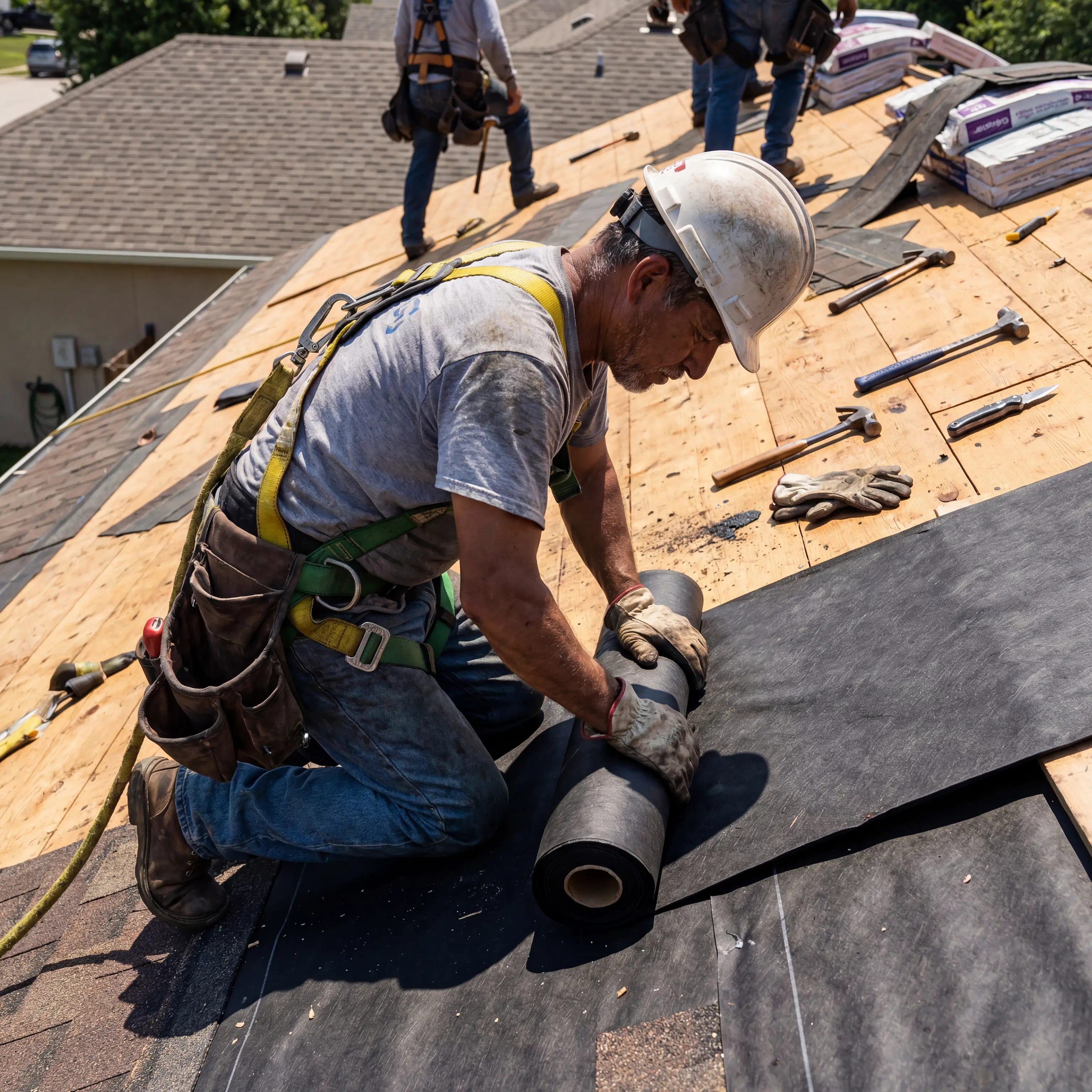
If you have ever walked across a black asphalt driveway in August, you know how much heat dark surfaces can absorb. The same principle applies to your roof. Traditional asphalt shingles are designed to be flexible, which helps them withstand high winds and impacts. However, when exposed to direct, intense sunlight, the asphalt composite becomes incredibly soft and pliable.
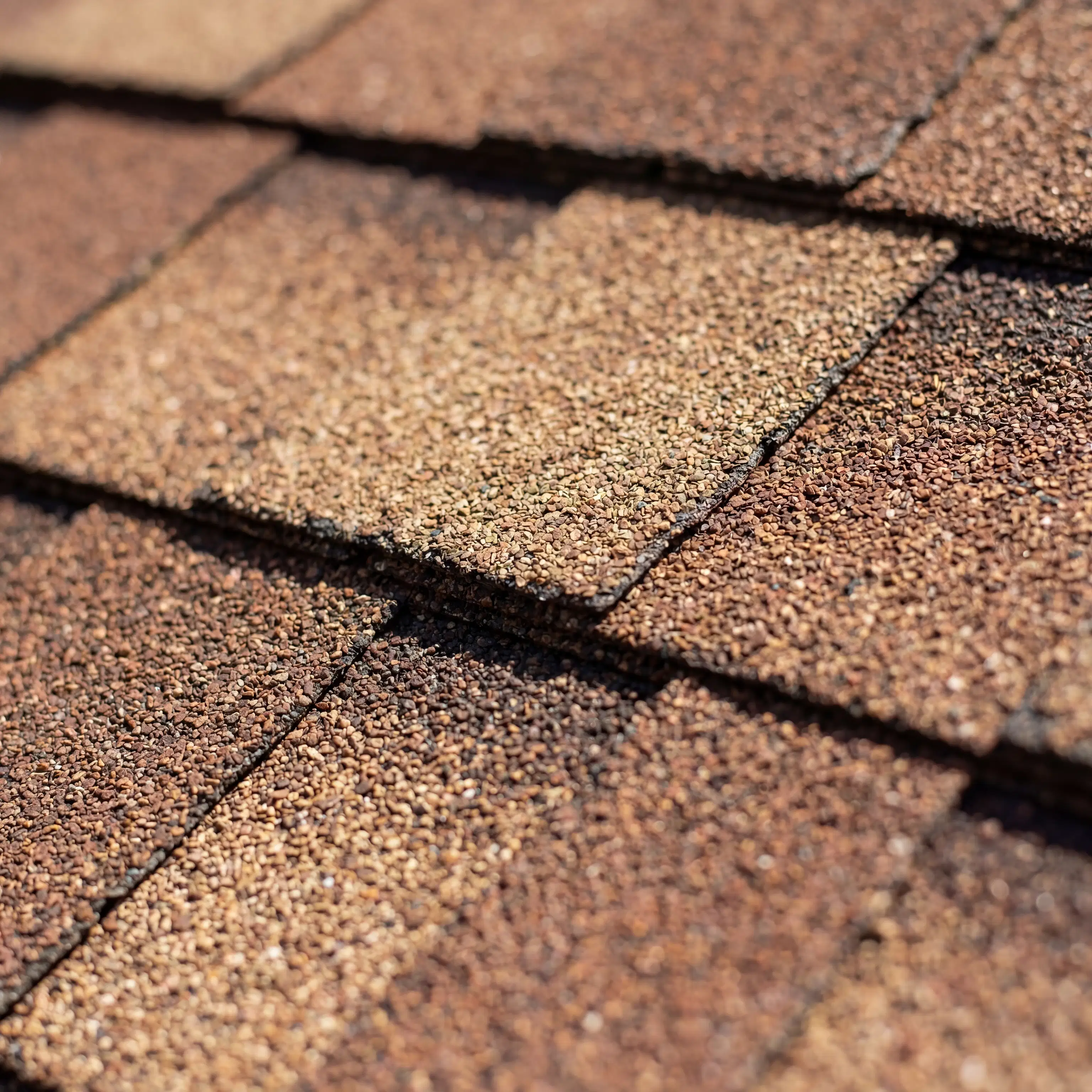
This softening presents a significant challenge during installation. When shingles are overheated, they become highly susceptible to damage from foot traffic. A roofer simply pivoting their boot can tear the protective granules off the surface or smear the asphalt, a phenomenon known in the industry as shingle scarring. Preventing shingle scarring during hot weather is one of our top priorities. If a shingle is scarred during installation, its lifespan is immediately reduced, and its ability to protect your home from water intrusion is compromised.
Furthermore, the adhesive sealant strips on the back of the shingles—which are designed to activate with the sun's heat and bond the overlapping layers together—can become overly aggressive in extreme temperatures. If shingles are not handled with absolute precision, they can stick together prematurely or bond in the wrong position, leading to an uneven appearance and potential vulnerabilities.
To combat this, our crews are trained in specialized summer handling techniques. We store materials in shaded areas whenever possible until the exact moment they are needed on the roof. We also adjust our nailing techniques, ensuring that fasteners are driven perfectly flush. Over-driving a nail into a soft, overheated shingle can cause the nail head to punch right through the matting, ruining the shingle and creating a future leak point that would eventually require a roof repair.
Smart Scheduling for Summer Roof Replacement Safety and Quality
The extreme temperatures don't just affect the building materials; they also pose a significant challenge for the hardworking crews installing them. Summer roof replacement safety and quality go hand-in-hand. You simply cannot achieve a flawless installation if the crew is suffering from heat exhaustion. The safety of our team is non-negotiable, and we adapt our operations to protect them while maintaining our project timelines.
One of the primary ways we manage this is through weather-based scheduling. During the hottest months, we shift our working hours to take advantage of the cooler early mornings. By starting at sunrise, our crews can complete the most labor-intensive portions of the tear-off and installation before the afternoon sun reaches its peak intensity. This not only protects our workers but also ensures they are handling the shingles when the material is at a more stable, manageable temperature.
We also build contingencies into our project management. If the heat index reaches dangerous levels, we will pause operations. While this might slightly extend a project timeline, we believe that rushing a job in unsafe conditions is a recipe for poor craftsmanship and potential accidents. We communicate these logistical plans clearly with homeowners, ensuring that family schedules are respected and disruptions are kept to a minimum.
Additionally, we leverage modern technology to reduce unnecessary time spent on a hot roof. By utilizing advanced drone imagery and 3D aerial measurement tools during our initial inspections, we can gather highly accurate data and assess failure patterns without requiring a team member to physically climb the roof in the middle of a sweltering afternoon. This tech-forward approach allows us to provide rapid, precise estimates while keeping safety at the forefront.
Beating the Heat with the Right Materials and Ventilation
When homeowners ask us about the best roofing material for our hot and humid climate, the conversation always turns to energy efficiency and proper airflow. The Bayou City demands a roofing system that actively works to keep your home cool, rather than just passively absorbing the sun's rays.
We highly recommend exploring Cool Roof technology and energy-efficient architectural shingles. These materials are engineered with specialized reflective granules that bounce a significant portion of the sun's radiant heat away from your home. By absorbing less heat, these shingles help lower the temperature of your roof deck, which in turn reduces the strain on your air conditioning system and can lead to noticeable savings on your summer energy bills.
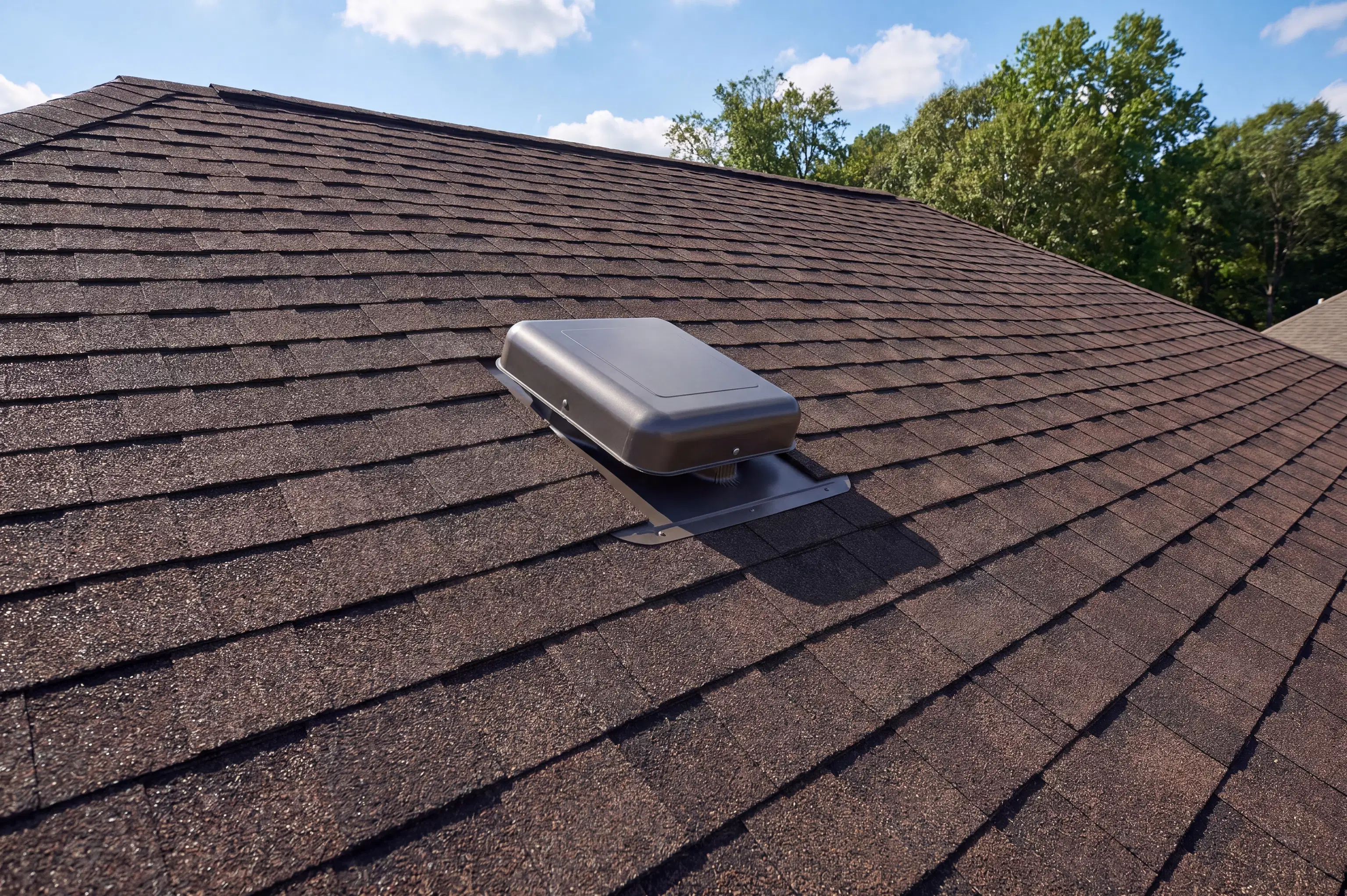
However, even the most advanced heat-reflective shingles will underperform if they are not paired with a proper attic ventilation system. A roof is not just a layer of shingles; it is a comprehensive system. We ensure that every installation includes adequate intake vents at the soffits or eaves to draw in cooler, drier air. This air flows up under the roof deck and pushes the hot, moist air out through exhaust vents at the ridge. This continuous airflow maintains cooler roof deck temperatures, prevents moisture buildup that can lead to mold, and maximizes the lifespan of your new shingles. You can learn more about how these systems work together in our guide on how a cool roof can maximize your home's energy efficiency.
Trust Your Roof to the Local Experts
Replacing a roof during the peak of summer requires a delicate balance of technical expertise, logistical planning, and a deep respect for the elements. From preventing material damage to ensuring the safety of our crews, every step must be carefully managed to deliver a final product that will protect your home for decades to come.
Whether you live in the heart of the city or out in The Woodlands, you need a roofing contractor who understands the unique demands of our climate and refuses to cut corners when the temperature rises. We are committed to providing transparent communication, meticulous craftsmanship, and a stress-free experience from the initial drone inspection to the final magnetic sweep of your yard.
If you are concerned about the age of your roof, have noticed signs of wear, or want to upgrade to a more energy-efficient system before the next heat wave, we are here to help. Contact us at Shultz Roofing & Construction today to schedule a comprehensive inspection and learn more about our Roof Replacement, Roof Repair, and Storm Restoration services.