
Preventing Water Damage at Siding Transitions
When severe weather rolls through the Bayou City, your home's exterior faces a massive stress test. While most homeowners rightly focus on the condition of their shingles or the color of their paint, one of the most vulnerable areas of your home often goes unnoticed until a major problem occurs: the transition points where your roof meets your siding.
Whether it is battling intense Gulf Coast storms or enduring the brutal Houston heat, these critical junctions require meticulous attention to detail. If they are not properly sealed, flashed, and maintained, water will eventually find its way inside your living space. At Shultz Roofing & Construction, our drone-assisted inspections frequently reveal hidden water intrusion originating in these exact spots. A roof is not just a collection of shingles; it is an integrated system that relies heavily on how well its various components interact. Let us break down how you can protect your investment by preventing water damage at these essential exterior transitions.
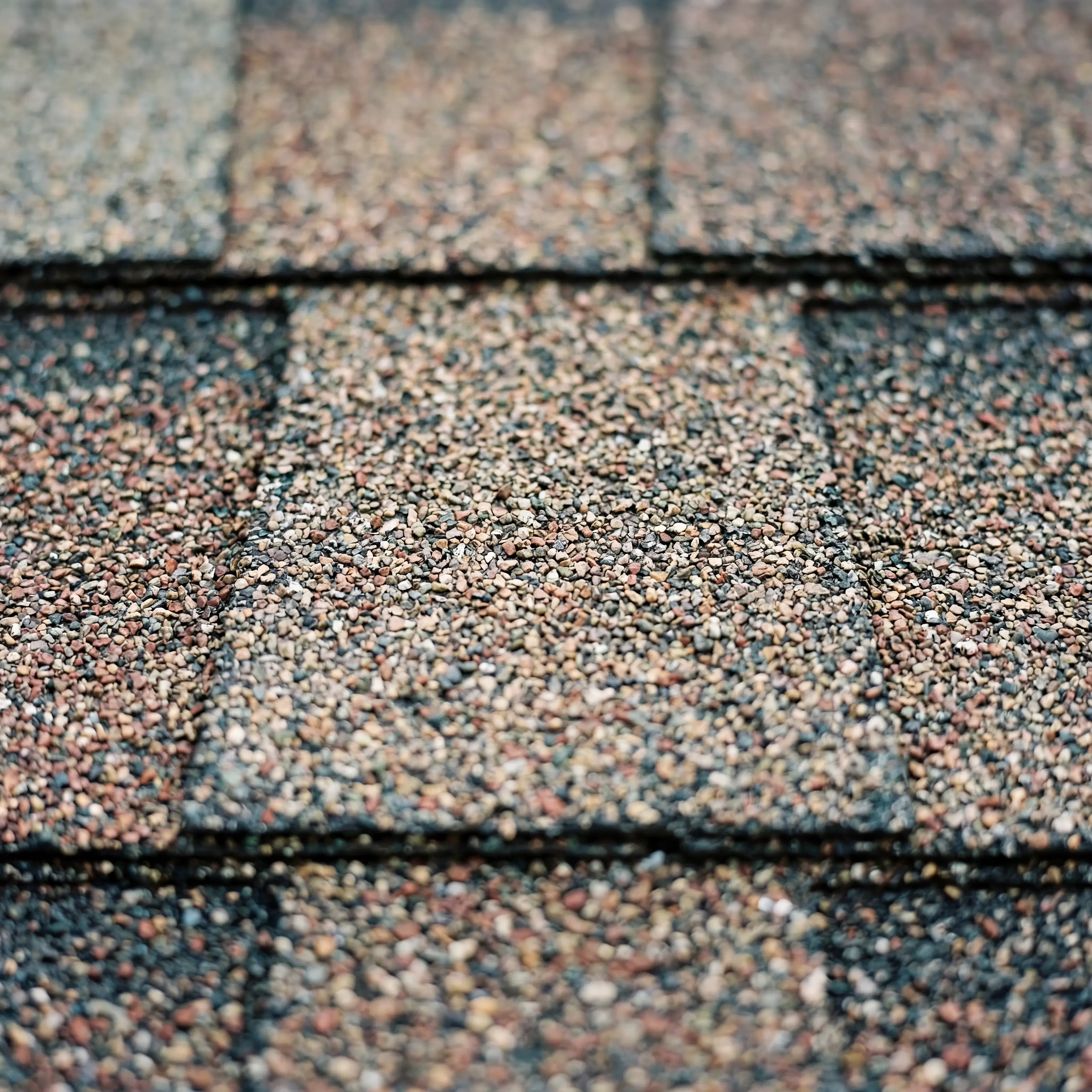
Understanding Roof to Wall Intersections
The point where a sloped roof meets a vertical wall is a prime target for water intrusion. During heavy downpours, gallons of water cascade down the roof and channel directly into these intersections. If the flashing is compromised, missing, or improperly installed by rushed out-of-state contractors chasing the latest storm, water easily bypasses your exterior defenses and begins deteriorating your home from the inside out.
One of the absolute most effective methods for preventing wind driven rain at roof transitions is the correct and careful installation of step flashing. Step flashing involves weaving individual pieces of L-shaped metal with each individual course of shingles, stepping up the wall seamlessly. This creates an overlapping, watertight barrier that directs water back onto the roof rather than allowing it to run behind the siding or down into your wall cavities.
Unfortunately, we often find that previous contractors have relied on excessive caulking or continuous L-flashing instead of proper step flashing, which inevitably cracks and fails over time as the home shifts and temperatures fluctuate. If you live in an older home or have recently weathered a severe storm, step flashing replacement along exterior siding is often a necessary upgrade to ensure your home remains completely watertight. We ensure that this flashing is installed in conjunction with high-quality underlayment and ice and water shields, forming a multi-layered defense system against the elements.
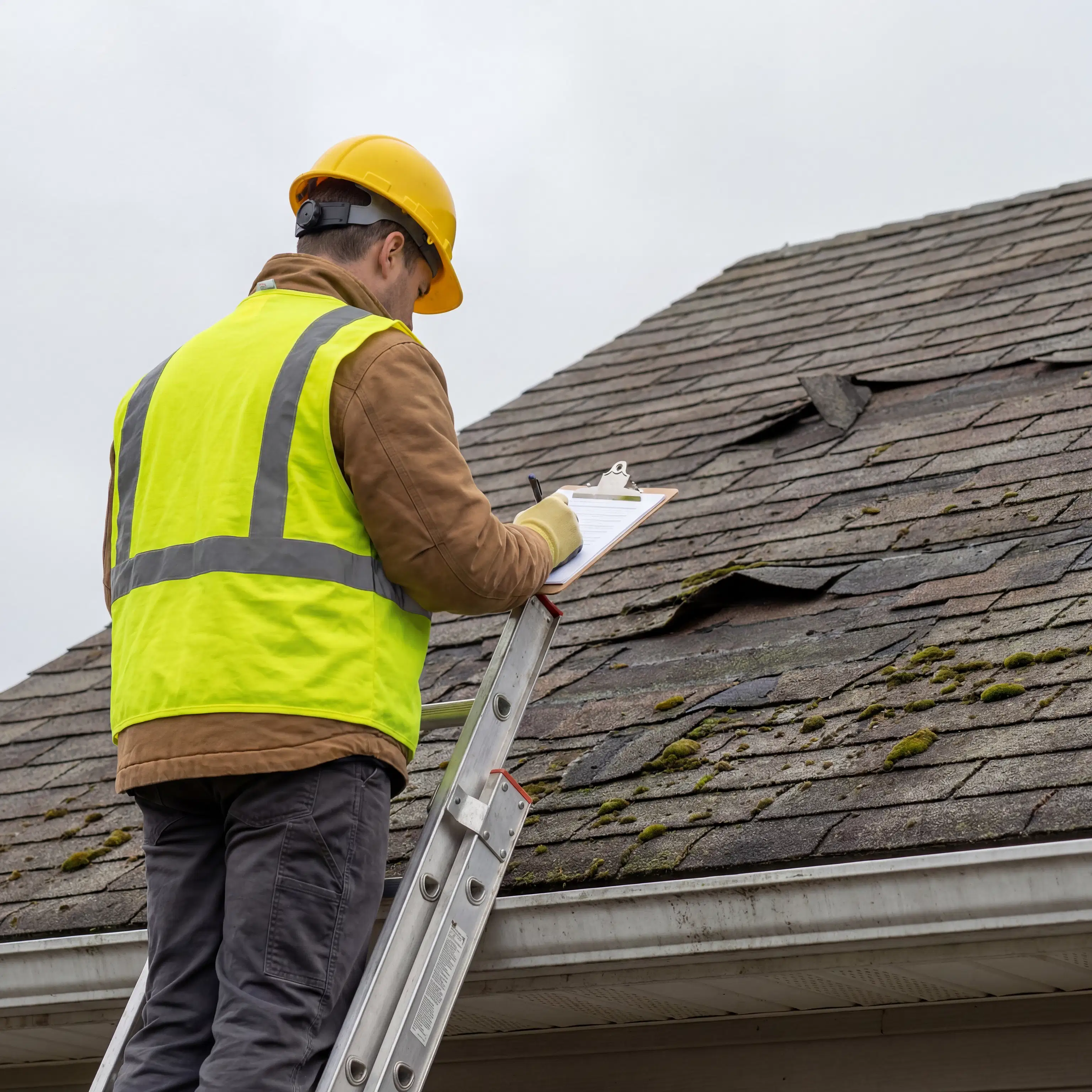
The Hidden Danger of Poor Drainage
Even the most meticulously installed flashing can fail if your home's drainage system is overwhelmed or improperly configured. When gutters are clogged with debris, improperly pitched, or simply too small to handle the sheer volume of rain we experience during hurricane season, water quickly backs up onto the roofline.
Gutter overflow causing fascia and siding rot is one of the most frequent and preventable issues our crews encounter. As water spills over the back of the gutter, it saturates the wood fascia boards and runs down the siding transitions. Over time, this constant exposure to moisture rots the wood, invites pest infestations, and eventually compromises the structural integrity of your home's exterior envelope.
Routine maintenance and upgrading to appropriately sized, seamless gutter systems can completely mitigate this risk. Properly functioning gutters work hand-in-hand with your roof's drip edge to ensure water is cast far away from your walls and foundation. If you suspect your home has already suffered water damage due to inadequate drainage, our siding and gutters team can thoroughly assess the situation. We focus on fixing the root cause of the problem rather than just covering up the symptoms, ensuring your drainage systems work in perfect harmony with your roof to move water safely away from your property.
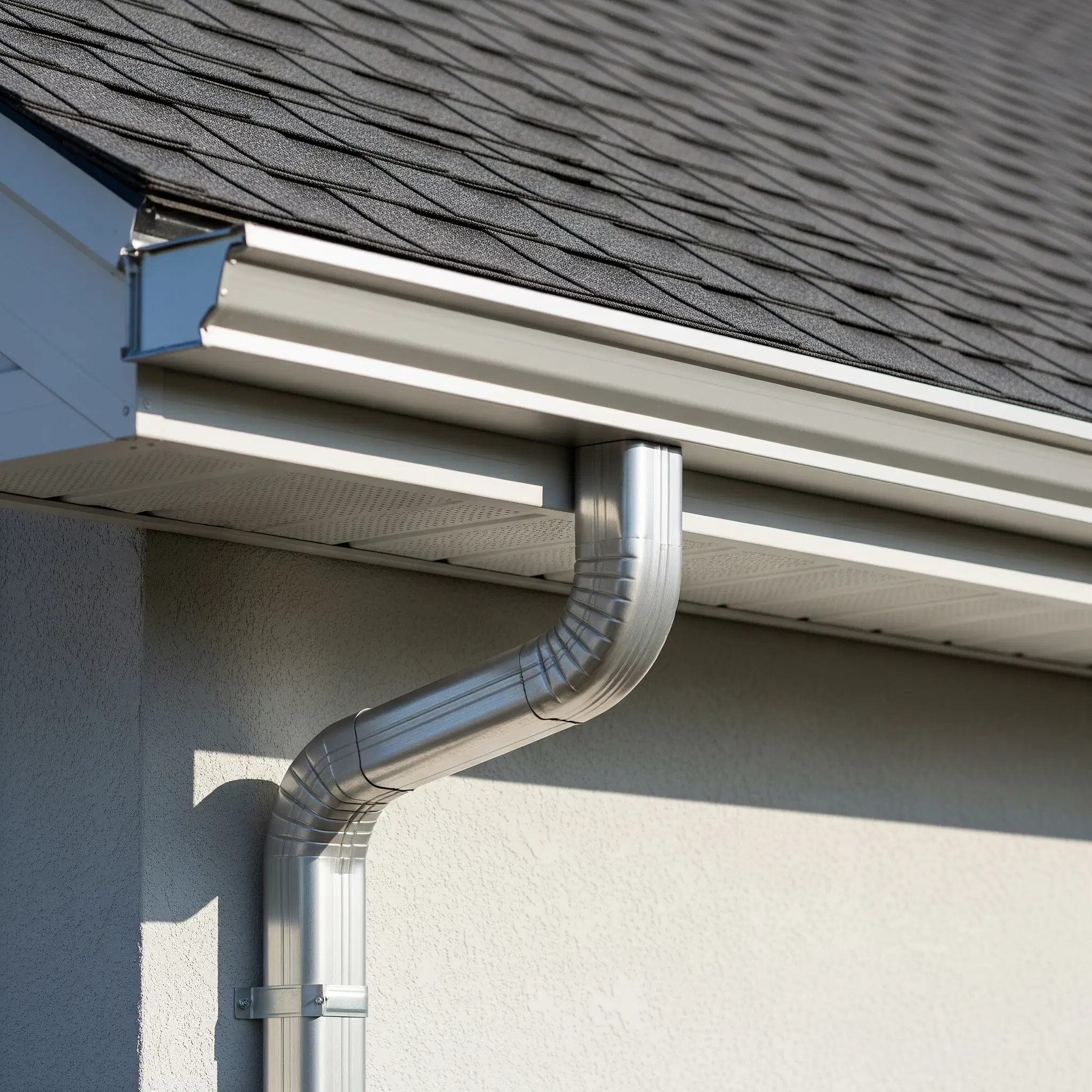
How to Spot the Warning Signs
Identifying leaks at roof wall intersections is not always as obvious as finding a dripping puddle in the middle of your living room. Often, the signs are subtle and manifest slowly over months or even years. As a homeowner, you should routinely walk the perimeter of your house and look for early warning indicators. You might notice bubbling, blistering, or peeling paint on your exterior siding just below the roofline. You might also spot water stains on your interior ceilings near the exterior walls, or detect a lingering musty smell when you go up into your attic.
Because we believe in transparent, honest assessments rather than pushing unnecessary full replacements, Shultz Roofing & Construction utilizes advanced drone imagery to inspect these hard-to-reach transition points safely and highly accurately. This technology allows us to trace leaks back to their exact source without causing any further disruption to your property or risking damage by walking on fragile, aging shingles.
If we discover extensive damage to your transitions and roofing system after a major weather event, our storm restoration services are specifically designed to help you navigate the complex repair process seamlessly. We guide homeowners through the entire recovery phase, including assisting with the necessary documentation and meeting with adjusters for your homeowner's insurance claims to ensure you receive the coverage you are entitled to.
Protecting your home means looking at the entire structural system, not just the shingles you can see from the street. The transitions between different materials are the true test of a roofing system's integrity. If you are concerned about your home's exterior transitions, suspect hidden water damage, or simply need a professional baseline assessment, reach out to our dedicated team at Shultz Roofing & Construction. Contact us today to schedule a comprehensive, drone-assisted evaluation and keep your home safe, dry, and secure for decades to come.