
Identifying Hail Damage Versus Shingle Blistering
Living in Space City means adapting to a wide range of intense weather conditions, from scorching summer heat to sudden, aggressive storms. After a severe weather event rolls through, it is incredibly common for homeowners to look up at their roof and wonder if it sustained damage. You might notice areas where the texture looks uneven or where granules seem to be missing.
However, not every mark on your asphalt shingles is the result of a storm. Two of the most common issues homeowners spot—hail damage and shingle blistering—look remarkably similar to the untrained eye but have entirely different causes. Understanding the distinction between shingle hail bruising vs thermal blistering is crucial because it dictates your next steps, especially when it comes to insurance claims and knowing whether you need a quick patch or a full replacement.
At Shultz Roofing & Construction, we know that navigating post-storm roofing concerns can be stressful. Homeowners are often rightly skeptical of the sudden influx of "storm chasers" who canvass neighborhoods after bad weather, promising the moon and delivering poor craftsmanship. Our goal is to provide complete transparency and education so you can make an informed decision about your home.
What is Shingle Blistering?
Before we look at storm impacts, let's talk about thermal blistering. Shingle blistering is not caused by weather impacts; it is generally a manufacturing defect or the result of poor attic ventilation.
During extreme summer temperatures, trapped moisture or volatile gases inside the asphalt shingle can heat up and expand. When this trapped gas expands enough, it pops through the surface of the shingle, creating a small pockmark or "blister." This process dislodges the protective granules and leaves a small, exposed crater on the surface of the asphalt mat.
Because blistering is caused by heat and poor ventilation, it is considered a wear-and-tear issue or a structural ventilation problem, rather than storm damage. If your attic lacks proper intake and exhaust ventilation, the excessive heat essentially cooks the shingles from the inside out. Fixing this often requires improving the underlying ventilation system alongside any necessary roof repair to prevent the issue from recurring.
How to Tell if a Roof Has Hail Damage
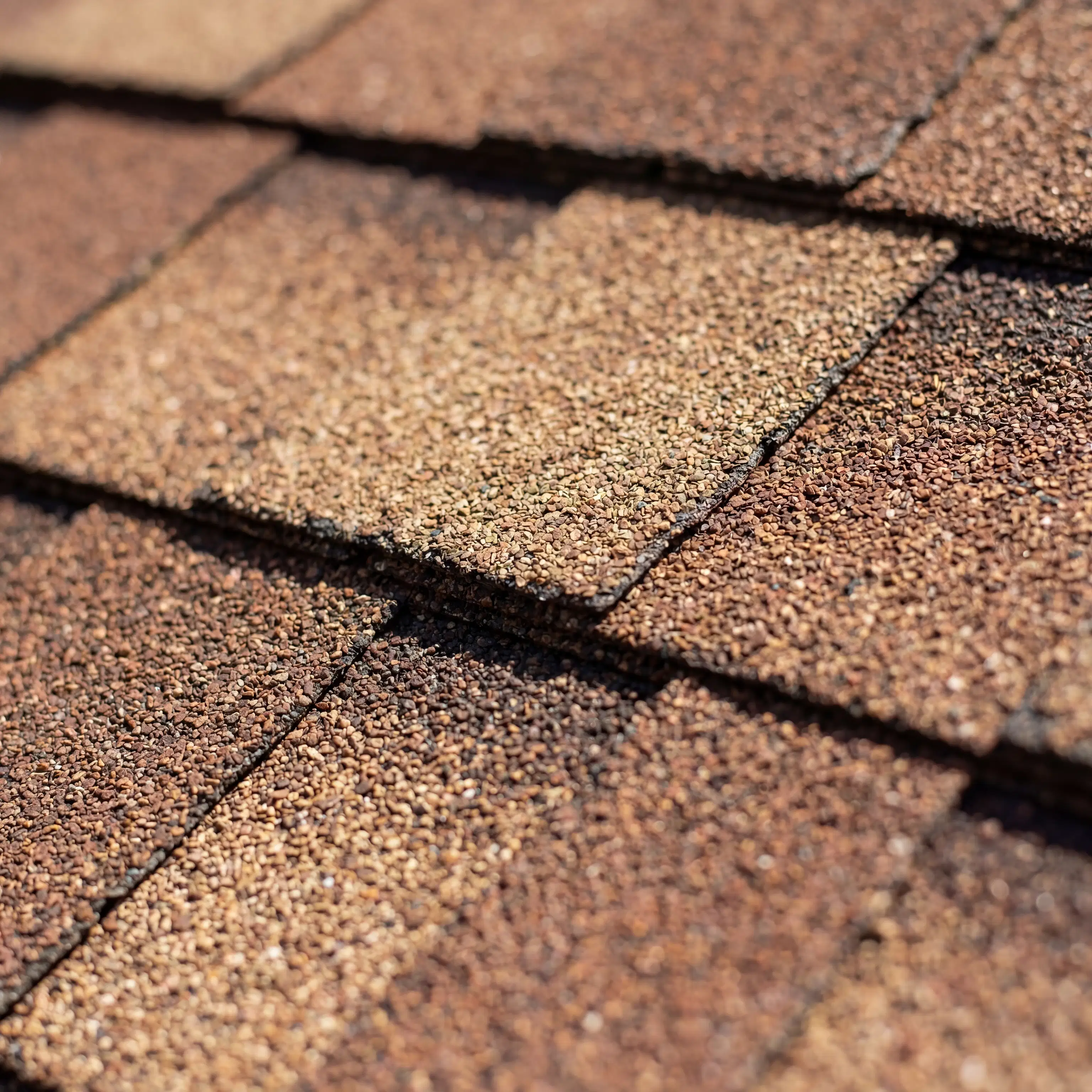
Unlike the popped bubbles of thermal blistering, hail damage is the result of a sudden, physical impact. When a hailstone strikes an asphalt shingle, it creates a distinct indentation or "bruise."
If you are researching signs of hail damage on asphalt shingles, the key differentiator is the direction of the force. Blistering pushes outward from within the shingle, while hail bruising pushes inward. A hail strike will typically fracture the fiberglass mat beneath the asphalt, embedding the granules deep into the surface rather than simply popping them off. Over time, these bruised areas will lose their granules as rain washes them away, exposing the dark asphalt underneath to harmful UV rays.
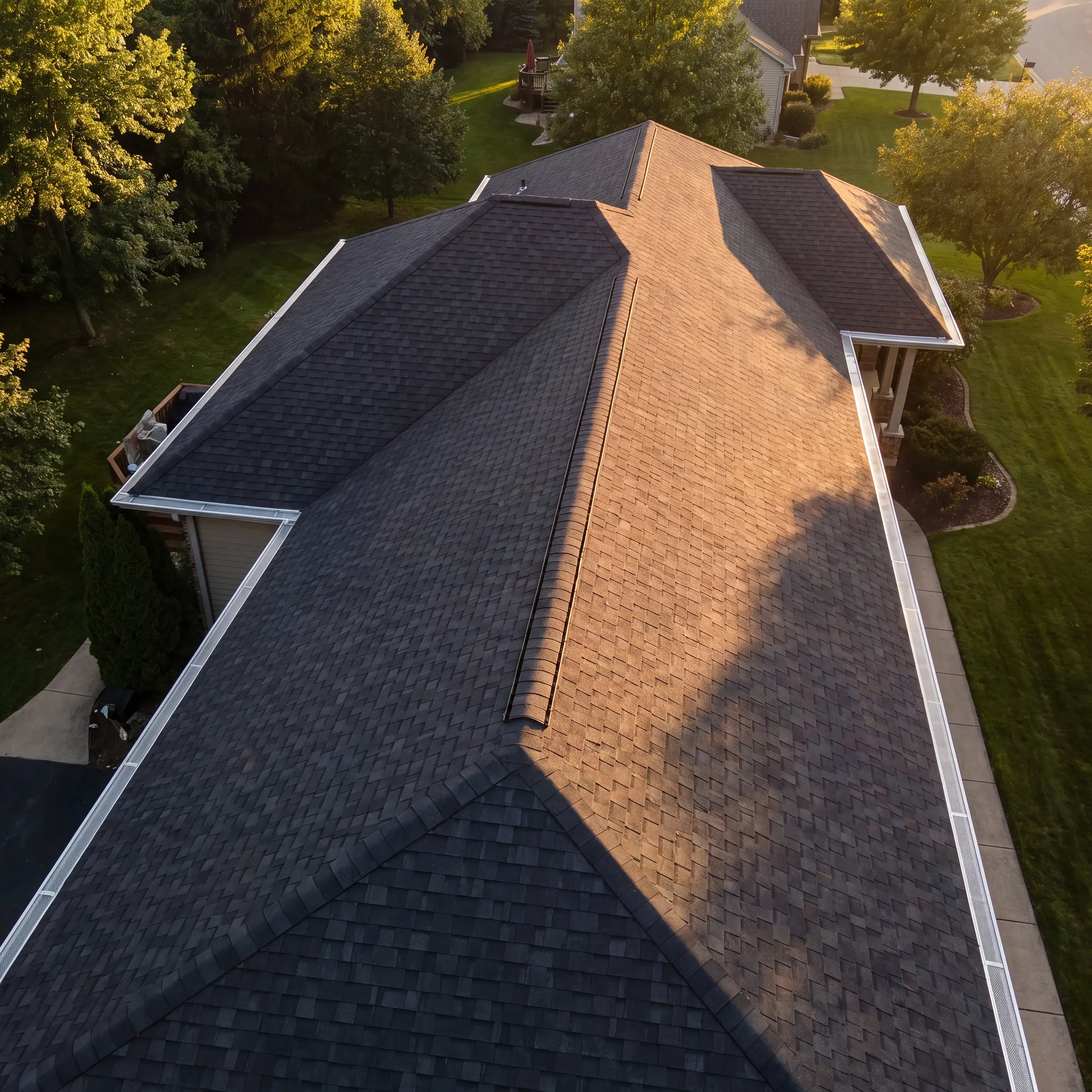
Because distinguishing between the two can be incredibly difficult from the ground, the roofing industry is increasingly relying on advanced technology. We utilize high-resolution drone technology and AI-powered damage assessment tools to safely and accurately inspect your roof. This allows us to spot the subtle differences in impact patterns without causing unnecessary foot traffic on a potentially compromised roof.
Documenting Roof Hail Damage for Insurance
Why does this distinction matter so much? The short answer is your homeowner's insurance policy. Standard insurance policies typically cover sudden and accidental damage—like a severe hailstorm—but they explicitly exclude wear and tear, manufacturing defects, or damage resulting from poor maintenance, such as thermal blistering.
If an inexperienced contractor or a high-pressure storm chaser incorrectly identifies blistering as hail damage, it can lead to a denied insurance claim, delayed payouts, and immense frustration. The insurance adjuster will recognize the difference, which is why having a meticulously documented, honest initial assessment is vital.
This is where our Insurance Claim Review service becomes invaluable. We focus on providing highly accurate, long-term project estimates based on facts, not guesswork. By meticulously documenting roof hail damage for insurance using drone imagery and detailed field reports, we ensure that your insurance carrier gets the exact proof they need to process your claim efficiently. If the damage is just blistering, we will tell you the truth and offer cost-effective solutions to address the ventilation and repair the affected areas.
Making the Right Choice for Your Home
Your roof is your home's first line of defense against the elements. Whether you are dealing with genuine hail impacts from a recent storm or progressive thermal blistering from a hot attic, catching the problem early is the best way to prevent small leaks from turning into Texas-sized interior water damage.
At Shultz Roofing & Construction, we believe in building long-term relationships through accountability and transparent communication. We aren't here to push you into a replacement you don't need; we are here to provide an honest assessment of your roof's health.
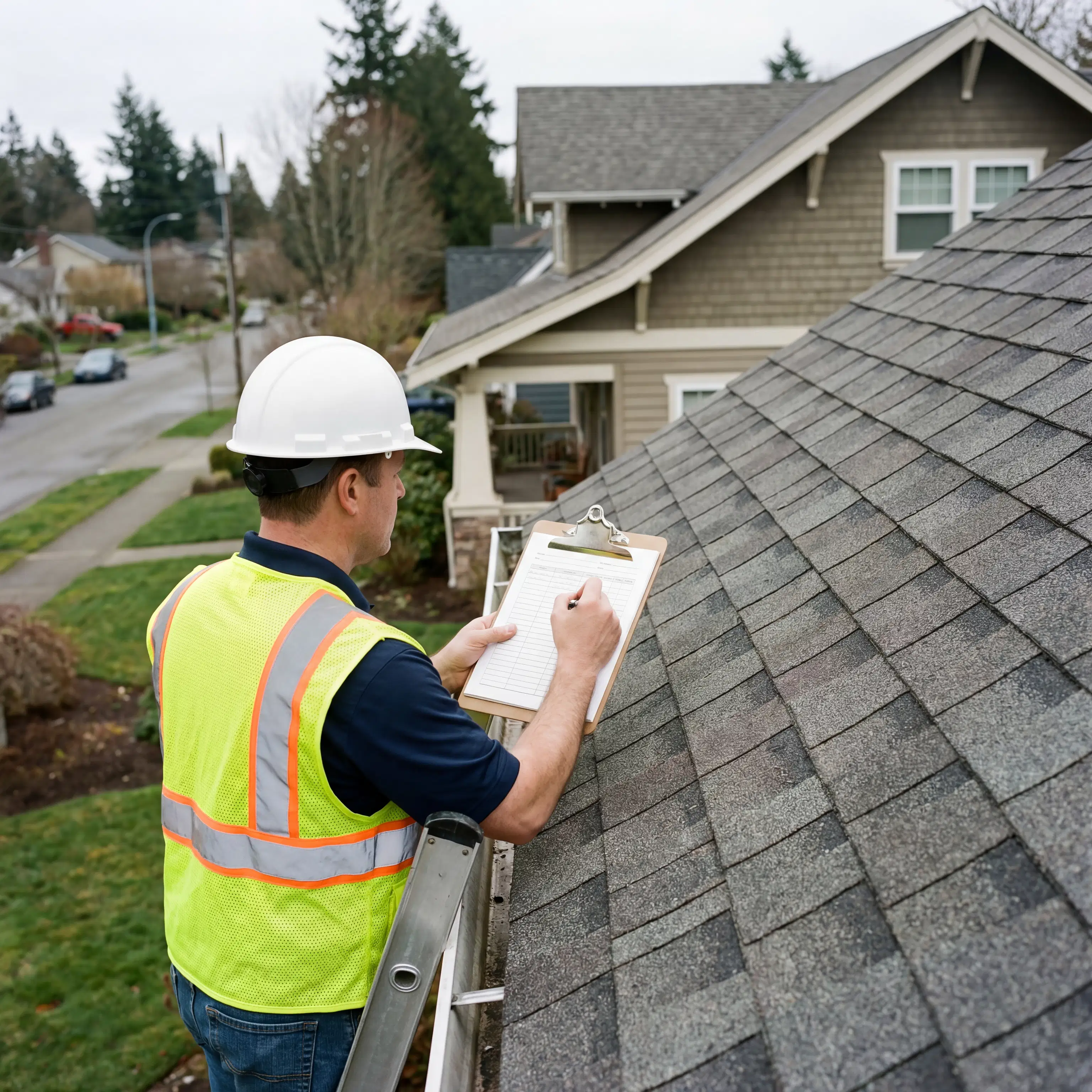
If y'all are concerned about the condition of your roof after a recent storm, or if you've noticed strange bald spots on your shingles, don't wait for a leak to confirm your suspicions. Reach out to us today through our contact page to schedule a comprehensive, drone-assisted inspection, and let our family protect yours.