
Your Attic is Trying to Tell You Something: The Truth About Texas Attics and Proper Ventilation
If you’ve ever opened your attic hatch on a summer afternoon in Houston, you know the feeling: a blast of superheated air that feels like opening an oven. Many of us just accept this as a fact of life in our climate, calling it a 'Texas Attic' and quickly shutting the door. But what if that intense heat is more than just an inconvenience? What if it’s a sign of a problem that’s costing you money, shortening the life of your roof, and impacting your home's health? The truth is, a well-functioning attic is one of the most critical components of a healthy home, and the key to it all is proper ventilation.
The Problem with a Trapped-Heat Attic
A sweltering attic isn't just storing heat; it's actively working against your home. When an attic can't breathe, two major enemies build up: extreme heat and damaging moisture. In the Bayou City, where humidity is a constant companion, this combination can be particularly destructive.
- Skyrocketing Energy Bills: Your air conditioning system works hard to cool your living space. A superheated attic acts like a giant heating blanket sitting on top of your house, radiating heat downward through the ceiling. This forces your AC to run longer and harder to maintain a comfortable temperature, leading to significantly higher energy bills.
- Premature Roof Aging: Your shingles are designed to withstand the sun's direct UV rays, but they aren't meant to be baked from below. The intense heat trapped in a poorly ventilated attic can cook the shingles from the underside, causing them to become brittle, crack, and lose their protective granules years before their expected lifespan is up. This can turn a minor roof repair into a full roof replacement sooner than you think.
- Moisture and Mold: Hot air holds more moisture. When this warm, humid attic air comes into contact with cooler surfaces, condensation forms. Over time, this moisture can lead to wood rot in your roof decking and rafters, and create the perfect environment for mold and mildew to grow, which can compromise your home's structural integrity and air quality.
The Science of a Cool, Dry Attic: How Ventilation Works
So, how do we fight back against heat and moisture? The solution is a balanced ventilation system that works continuously to cycle air through your attic space. It’s a simple but powerful concept based on basic physics.
A balanced system has two key parts:
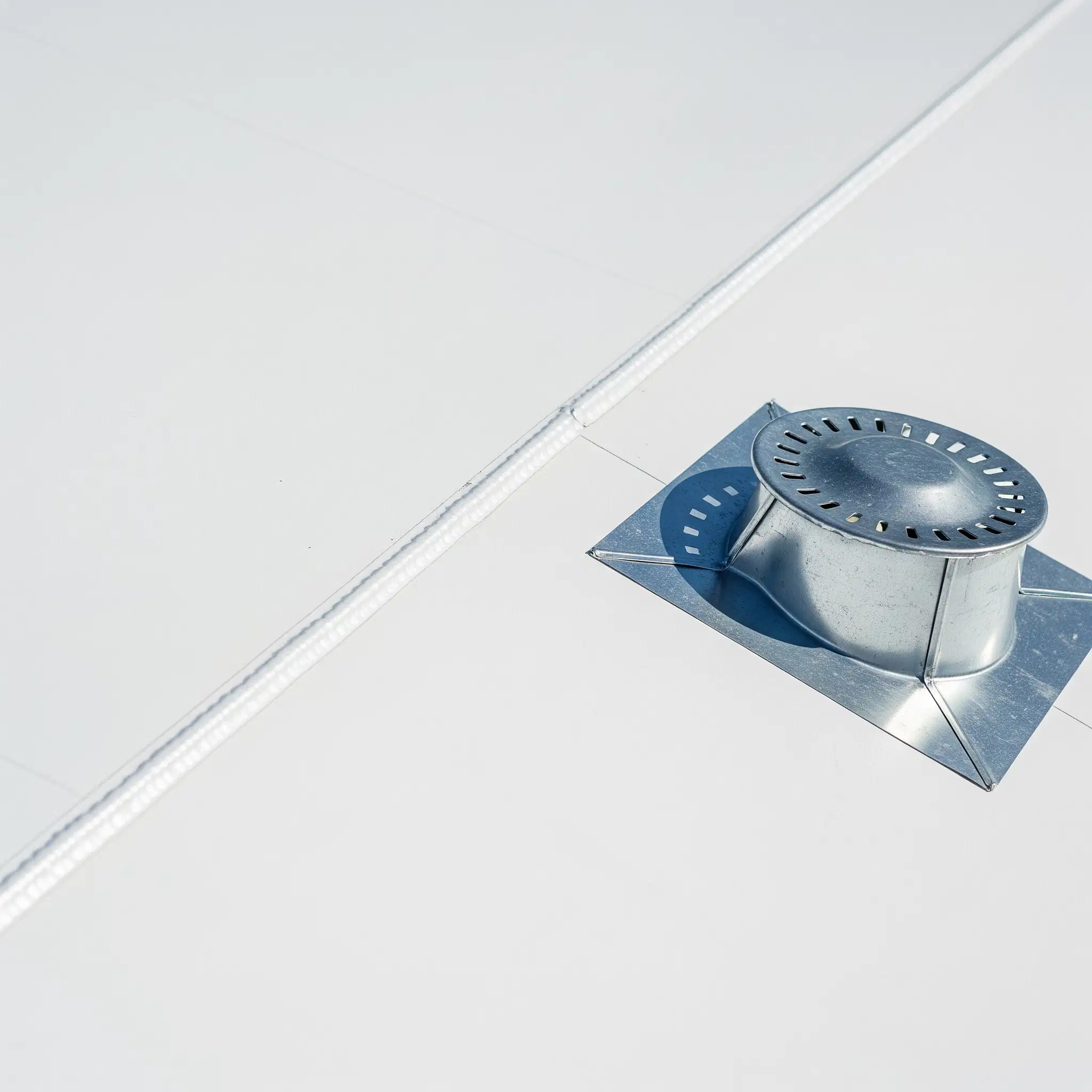
- Intake Vents: Located at the lowest part of the roof, typically in the soffits (the underside of your roof's overhang), these vents draw in cooler, drier air from the outside.
- Exhaust Vents: Located at the highest point of the roof, such as a ridge vent that runs along the peak, these vents allow the hottest, most humid air to escape.
This creates a natural, continuous flow of air. The cooler air enters through the soffits, pushing the hot, moist air up and out through the ridge vent. This process, known as the “stack effect,” prevents heat from building up and keeps the roof deck temperature much closer to the ambient outdoor temperature, protecting your shingles and reducing the heat load on your home.
A System-Wide Approach to a Healthy Roof
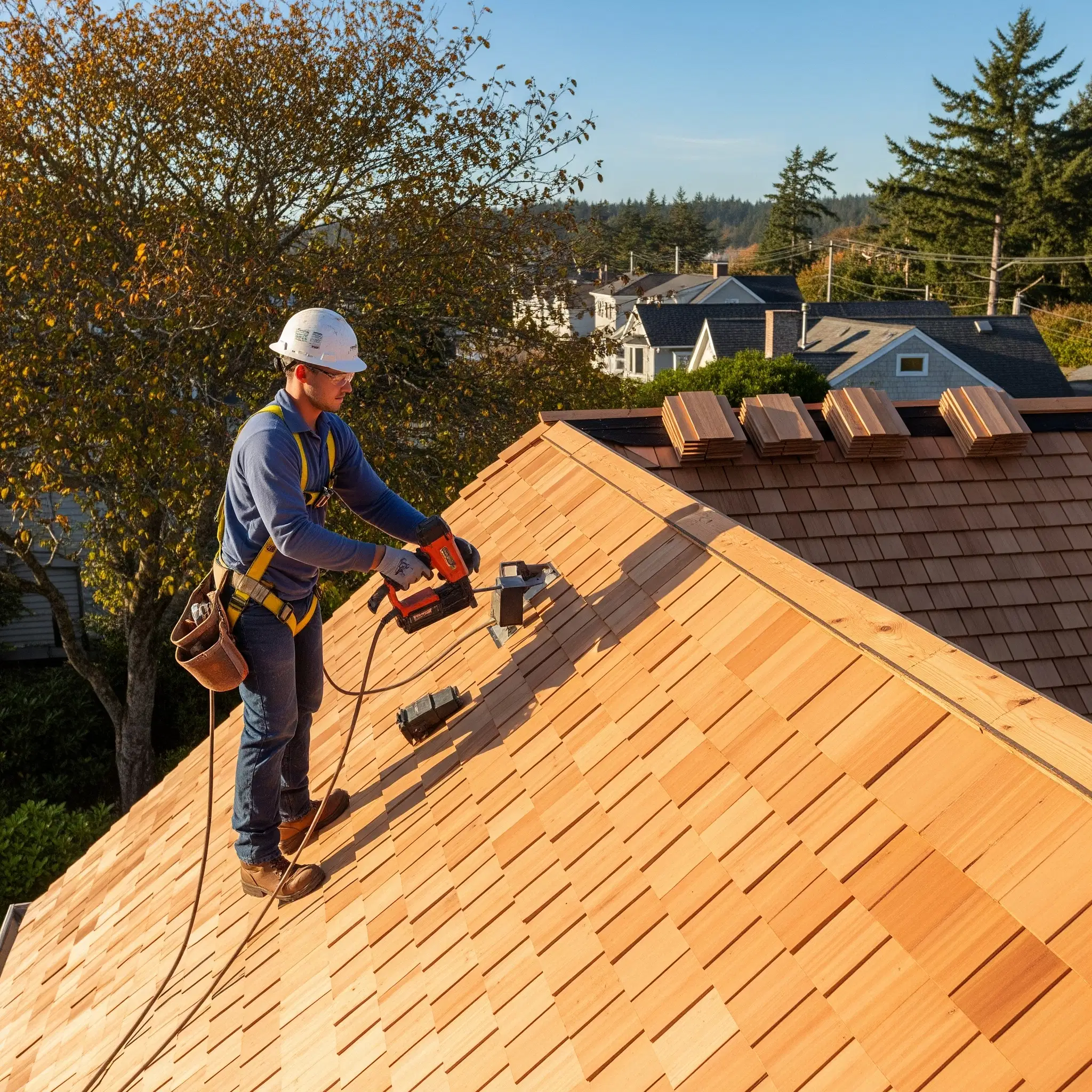
Proper attic ventilation isn't a standalone feature; it's a critical part of a complete roofing system. It works in tandem with your insulation and your shingles to create a high-performing, energy-efficient shield for your home. For example, advanced materials like cool roof shingles are designed to reflect solar radiation, but their effectiveness is maximized when paired with a ventilation system that removes the heat that still gets absorbed.
Ensuring your attic has a balanced airflow is one of the most important things you can do to protect your roofing investment. During any roof inspection, whether for a small repair or a full replacement, a thorough assessment of the ventilation is non-negotiable. An experienced professional can calculate the precise amount of intake and exhaust ventilation your specific roof needs to function optimally, ensuring you get the most out of your entire system.
At Shultz Roofing & Construction, we believe in providing comprehensive roofing solutions that address the root cause of problems, not just the symptoms. A healthy roof starts with a smart design, and that always includes a plan for proper ventilation.
Is Your Attic Working Against You?
That stuffy, hot attic is more than just an uncomfortable space—it's a warning sign. It’s a sign that your roof might be aging prematurely and that you could be paying too much for electricity. By addressing your attic's ventilation, you can enhance your home's comfort, lower your energy costs, and extend the life of your roof.
If you’re concerned about the health of your roof and attic, don't wait for a small issue to become a major expense. We invite homeowners across the Houston area to contact us for a comprehensive roof inspection. Let our team at Shultz Roofing & Construction help you ensure your entire roofing system is working for you, not against you.